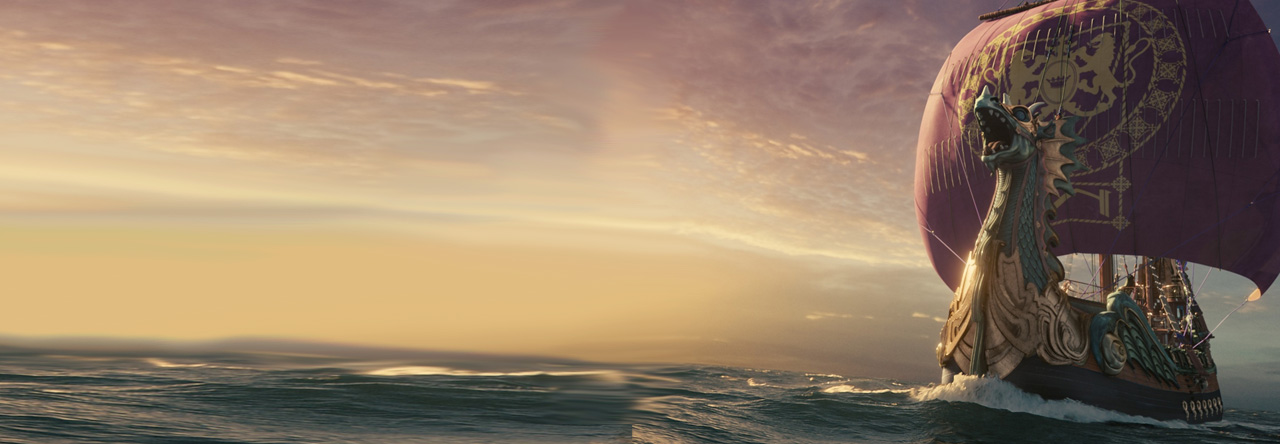
Aegir is the god of the sea in Norse mythology. He was both worshipped and feared by sailors, for they believed that Aegir would occasionally appear on the surface to take ships, men and cargo alike, with him to his hall at the bottom of the ocean. Sacrifices were made to appease him, particularly prisoners before setting sail.
His wife is the sea goddess Ran with whom he has nine daughters (the billow maidens), who wore white robes and veils. His two faithful servants are Eldir and Fimafeng. The latter was killed by the treacherous god Loki during a banquet the gods held at Aegir’s undersea hall near the island of Hler (or Hlesey). Aegir was known for the lavish entertainment he gave to the other gods.
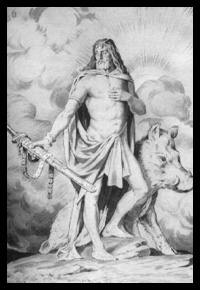 Freyr is
 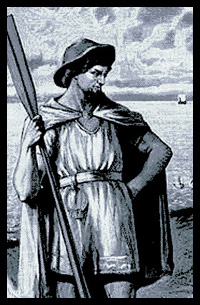 Njord is the God of the wind and fertility as well as the sea and merchants at sea and therefore was invoked before setting out to sea on hunting and fishing expeditions. He is also known to have the ability to calm the waters as well as fire.
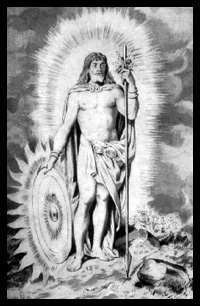 Balder, son of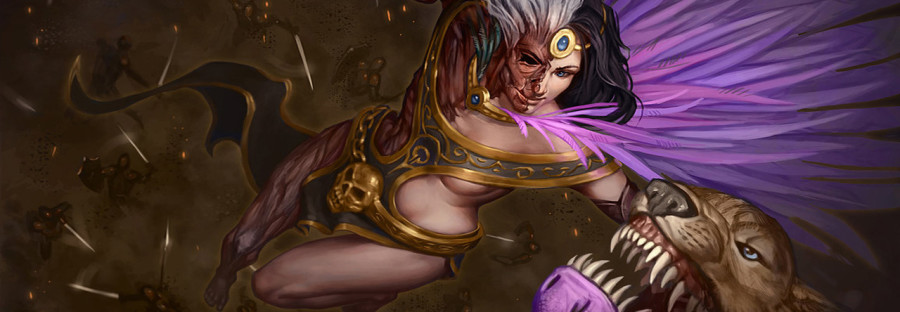
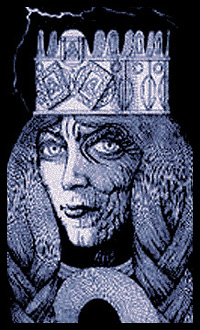 The goddess of the dead and the afterlife was Hel (Holle, Hulda), and was portrayed by the Vikings as being half-dead, half alive herself. The Vikings viewed her with considerable trepidation. The Dutch, Gallic, and German barbarians viewed her with some beneficence, more of a gentler form of death and transformation. She is seen by them as Mother Holle; a being of pure Nature, being helpful in times of need, but vengeful upon those who cross her or transgress natural law.
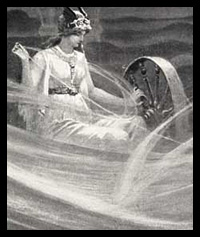 Frigga (Frigg, Fricka), Odin’s wife, was considered to be the Mother of all; and protector of children. She spins the sacred Distaff of life, and is said to know the future, although she will not speak of it. Some believe that Friday was named for her instead of